






Sinister Wisdom Newsletter
Login (ONLY for SW staff)


The Price of Freedom, or Sugar for the Revolution
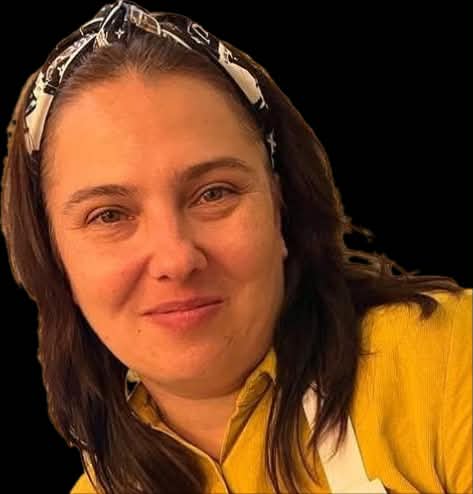
by Anastasia
More than a decade ago I met with Sonja Franeta in Odessa, when she was traveling
from Turkey. I remember we talked about Marina Tsvetaeva and her poetry, as well as
her novella ¨Sonechka.¨ I had already read it, more than once. I was pleasantly
surprised by our shared connection, that spiritual bond that grows between strangers
when they discover a close connection.
In my view it is impossible to contain or even pinpoint Tsvetaeva’s genius within her
lines, within her interjections, or between her line breaks, or her em dashes—in my view
it is not possible. But…
¨Marina, will you love me always, because soon I will die…¨
I am one of those passersby she turns to:
Do not just stand there gloomily,
With your head down to your chest
Think of me tenderly
And forget me tenderly.
This is tenderly close… to her view of the world?
At that same time, in Odessa, I also got to know Olga Gert [Olgerta Kharitonova], editor
of the radical feminist journal Ostrov [Island]. Even then I could see how all these
islands intersected and resonated with one another—Tsvetaeva´s island, the Story of
Sonechka itself which she finished writing “at the ocean”—nothing like it have I ever
read to this day—and the world of that self-published samizdat journal for women
[Ostrov]. There was never anything like it nor will there be. These two parallel universes
crossed in one space thanks to the act of deep regard, including within oneself
(remaining true to oneself).
And now, in these times––times of war, of immense changes, of unbearable suffering
for so many––this love found in this writing is like sugar during the revolution. Existing
amidst the very harshness of life, the drabness, the cruelty––then and now. We could
indeed survive without it—but life is just impossible. This sugar is a pure miracle, a pure
emotion. Clearly, this emotion makes us human.
It is a love that is born of joy and a freedom to love for the sake of love––for the love of
beauty. That kind of romantic love, that love goes against terror. It is a form of rebellion
[a bunt] against the drab rules and narratives that bind us during wartime.
And, of course, the right to choose who to love and about whom to write is a creative
freedom and poetic license that is the poet´s prerogative. In Shakespeare´s [King Lear]
choosing “salt” against a love devoid of choice, is a rational love. But [Cordelia´s] choie
was an emotional and abundant love. Without which there is no joy or fullness of life.
This is my choice too.
I write these lines in gratitude for my meeting with Sonja Franeta and Olgerta.
“But where is Sonechka? Sonechka is so close—just outside the door;”
Purchase the Sapphic Classic today A Dove Under My Hand
Continue reading more on the Sinister Wisdom Blog!
"Empowerment comes from ideas."
― Charlene Carruthers
"Your silence will not protect you."
— Tourmaline
"Gender is the poetry each of us makes out of the language we are taught."
— Leila Raven
Add new comment