





Sinister Wisdom Newsletter
Login (ONLY for SW staff)


Dyke Bar* History: Audre Lorde in NYC’s Greenwich Village, 1950s-1960s
Dyke Bar* History: Audre Lorde in NYC’s Greenwich Village, 1950s-1960s
Jack Jen Gieseking with Michaela Hayes and Mel Whitesell
To complement the launch of the Our Dyke Histories podcast, hosted by Jack Gieseking and co-produced in collaboration with Sinister Wisdom, we’re sharing a reading guide for the decades. For the first season, Our Dyke Histories is spotlighting dyke bars*: lesbian bars, queer parties, and trans hangouts; the structures that made them necessary, the lives they made possible, and the worlds we built from them. This is the second part in a series, with the first part covering the 1920s-1930s!!
Zami: A New Spelling of My Name - A Biomythography. New York: The Crossing Press.
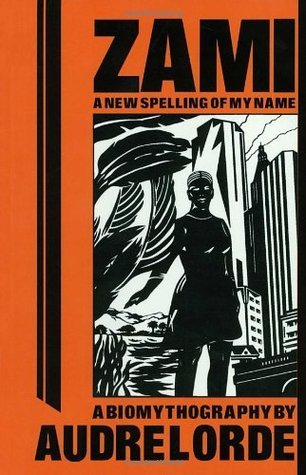
It’s safe to say that all dyke roads can and should lead back to the queen of wisdom, insight, calling in, and brilliance: Audre Lorde. Best known for her leadership, activism, poetry, and essays–including “The Master’s Tools Will Never Dismantle to Master’s House,” Black lesbian and feminist Lorde is also one of the key sources for personal stories of 1950s lesbian bars and queer parties. She was a long, steady customer at the Bagatelle or “the Bag” in Greenwich Village, New York City, one of the many mafia-owned and -run working-class, butch-femme bars that inspired mid-century queer pulp alongside our current lez bar imaginaries. Through her positionality, experiences, and theorizations in her mythoautobiography–a term Lorde invented for her semi-fictionalized autobiography or what we now often call creative nonfiction–she shares the struggles and realizations that still shape queer, feminist, BIPOC, and Black lives. These include severe ups and downs in bar life, and all of which led her to her brilliant ideas she left behind for us to grow from and in.
First, let’s be up about the worst of it as Lorde was. Most of the bar patrons were white butch-femme, and working-class, and a white aesthetic, culture, and attitude dominated the space. The racial segregation of lesbian bars, unlike other spaces, was not discussed between white and Black or even among Black lesbians, but was clearly visible. Lorde wrote:
The Black gay-girls in the Village gay bars of the fifties knew each other's names, but we seldom looked into each other's Black eyes, lest we see our own aloneness and our own blunted power mirrored in the pursuit of darkness. Some of us died inside the gaps between the mirrors and those turned-away eyes. … Being women together was not enough. We were different. Being gay-girls together was not enough. We were different. Being Black together was not enough. We were different. Being Black women together was not enough. We were different. Being Black dykes together was not enough. We were different.
The ache is profound. It was the structures of oppression within and inside the bar that perpetrated this hurt. Bartenders, owners, staff, and some patrons openly discriminated against BIPOC, even as they knew that they had so few spaces to share as lesbians.
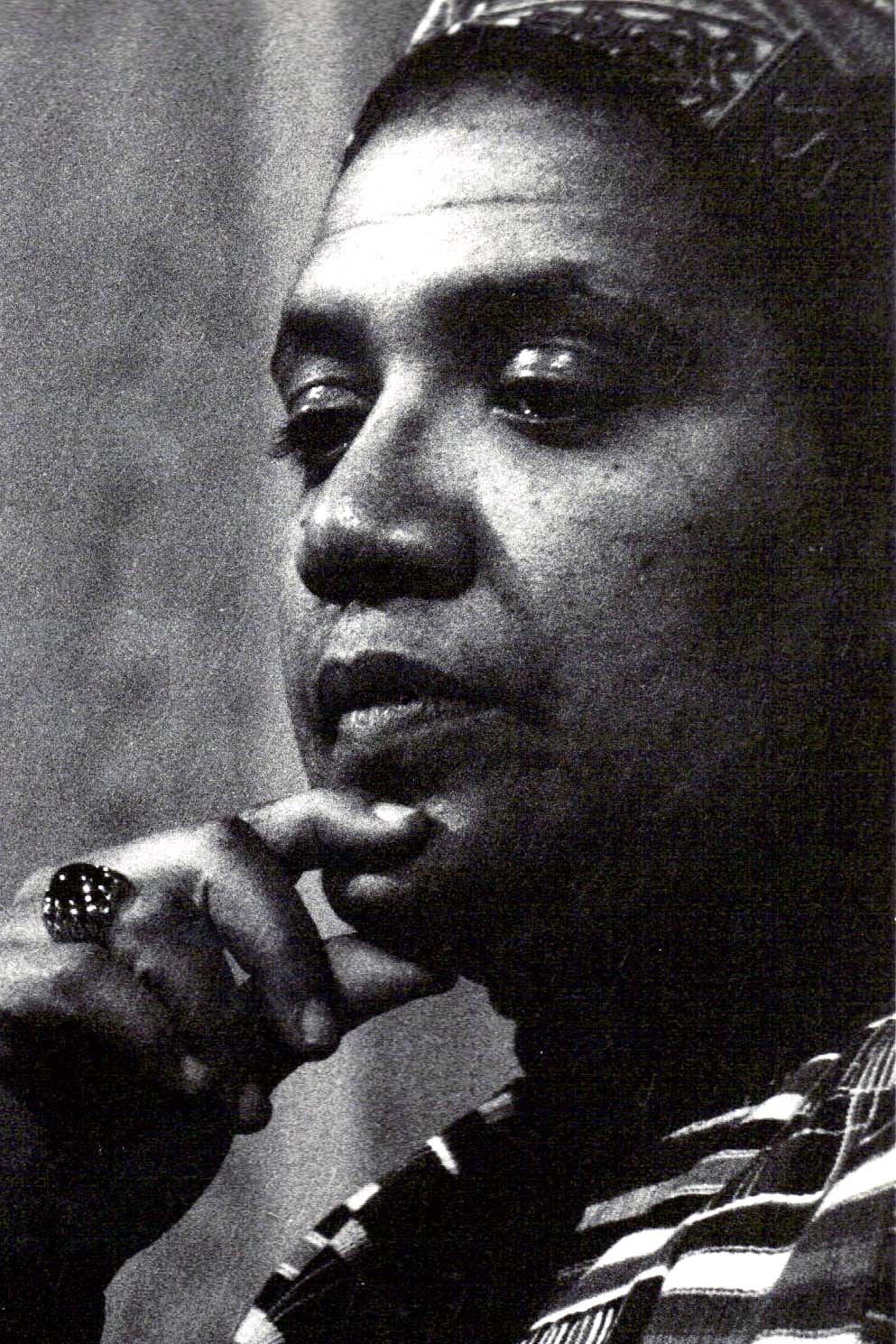
But the positives of lesbian bars kept bringing Lorde back. She writes, “What we both needed was the atmosphere of other lesbians, and in 1954, gay bars were the only meeting places we knew.” While antiracism was a nascent concept at best in the 1950s U.S., it’s fledging moments are sometimes found in or as a result of dyke bars* as queer sexualities forced groups of people together across race and class lines who would otherwise never had the chance to meet together. As Lorde puts it so beautifully: “We met women with whom we would've had no other contact had we not all been gay.” She later adds, “Lesbians were probably the only Black and white women in New York City in the fifties who were making any real attempt to communicate with each other; we learned lessons from each other, the values of which were not lessened by what we did not learn.” Wow.
We will not be revealing the end, clearly, because you must read this book! (Truly, we devoured it for the first time or tenth time in a few days.) But in the end, we can reveal, Lorde lands in theorizing how we can and must connect across difference:
It was a while before we came to realize that our place was the very house of difference rather than the security of one particular difference. (And often, we were cowards in our learning.) It was years before we learned to use the strength that daily surviving can bring, years before we learned fear does not have to incapacitate, and that we could appreciate each other on terms not necessarily our own.
It’s amazing how much dyke bars* informed Lorde’s life–and ours still!--and these generous, insightful words. If you need more Lorde, she wrote oodles or you can the recent and fabulous biography of Lorde from Alexis Pauline Gumbs, Survival Is a Promise: The Eternal Life of Audre Lorde (2025). It’s what we’re reading to feed our holidays with delight.
"Empowerment comes from ideas."
― Charlene Carruthers
"Your silence will not protect you."
— Tourmaline
"Gender is the poetry each of us makes out of the language we are taught."
— Leila Raven
Add new comment