





Sinister Wisdom Newsletter
Login (ONLY for SW staff)


Dyke Bar* History: Butch-Femme in NYC’s Greenwich Village, 1940s-1960s
Dyke Bar* History: Butch-Femme in NYC’s Greenwich Village, 1940s-1960s
Jack Jen Gieseking with Michaela Hayes and Mel Whitesell
To complement the launch of the Our Dyke Histories podcast, hosted by Jack Gieseking and co-produced in collaboration with Sinister Wisdom, we’re sharing a reading guide for the decades. For the first season, Our Dyke Histories is spotlighting dyke bars*: lesbian bars, queer parties, and trans hangouts; the structures that made them necessary, the lives they made possible, and the worlds we built from them. This is the second part in a series, with the first part covering the 1920s-1930s!!
Alix Genter. “Appearances Can Be Deceiving: Butch-Femme Fashion and Queer Legibility in New York City, 1945–1969.” Feminist Studies(42)3, 2016, 604–31.
Is a butch always a butch, a fem always a fem? Who knows! But it’s sure as heck clear that what we thought was a butch or a femme in the 1950s was not always the same thing. We’re guessing you need more of an example like we did, so meet Sunny and Doris, and Miriam and May. Cutie patooties! And everyone but Sunny identified as butch.
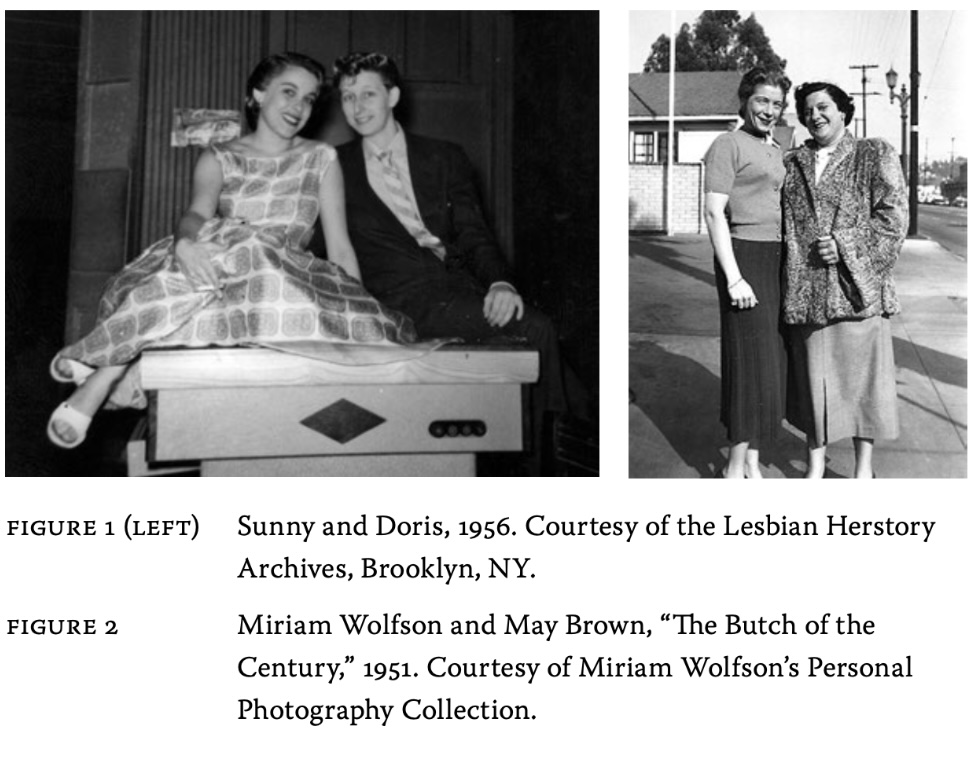
Our collective minds were blown wide by this. And delighted! Look how wide and rangey and possible gender was and still is!
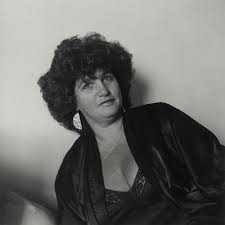
Alix Genter spent years collecting oral histories from New York City dykes in the post-WWII period, including Lesbian Herstory Archives originator and co-founder Joan Nestle (wow and swoon forever–see her photo on the left) and a swarm of other well-known dykes of the period. In her article, she digs into butch self-making to show us that butches were never (so boring as to be) imitating cis-het men’s masculinity, rather butches circumvented or even adapted feminine dress styles to convey their gender nonconformity. Genter shows how butch presentations varied between straight and queer spaces, with lesbian bars and other queer nightlife locales being essential sites of gender construction, expression, and butch mentoring.
Across race, class, and ranges of masculine signification, Genter encapsulates the flexibility of butch identity at a time when gender variance was a dangerous expression of visible queerness. And, wow, were our hearts and loins inspired by her work. We also deeply recommend her entire dissertation, Risking Everything for That Touch, available here for free and with many more delicious images and tales of mid-century lezbiqueertrans lives. Desire and danger to the max.
Images:
Alix Genter, “Appearances Can Be Deceiving- Butch-Femme Fashion and Queer Legibility in New York City, 1945–1969,” Feminist Studies, Vol. 42, No. 3 (2016), pgs. 604-631
Joan Nestle https://lastbohemians.blogspot.com/2020/10/joan-nestle-sixty-years-of-di...
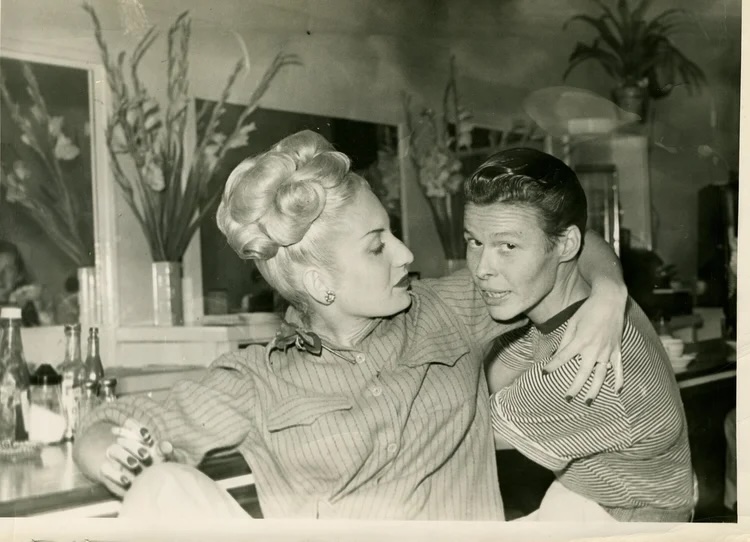
Butch/Femme Couple at Mona's, Circa 1950s https://www.glbthistory.org/wide-open-town-records
"Empowerment comes from ideas."
― Charlene Carruthers
"Your silence will not protect you."
— Tourmaline
"Gender is the poetry each of us makes out of the language we are taught."
— Leila Raven
Add new comment