subscribedonate


Avery's blog

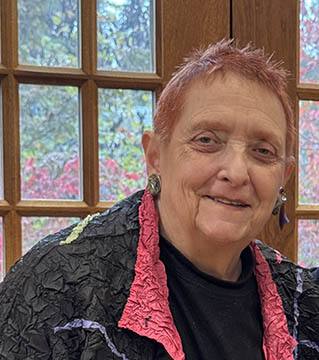
A eulogy for Beth Marschak by her friend Mary Dean Carter

A eulogy for Beth Marschak by her friend Mary Dean Carter


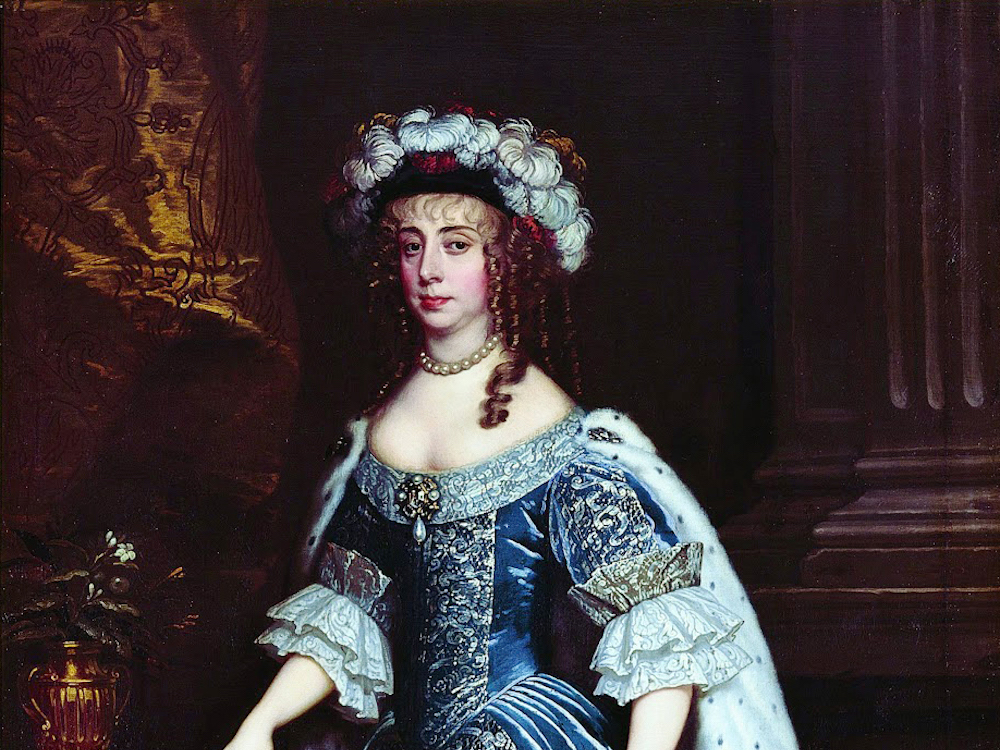
When Beth Marschak died of smoke inhalation from a house fire in June 2026, Richmond, Virginia, lost a lifelong political crusader whose shoes will be hard to fill. Mary Dean Carter, her friend of over fifty years and collaborator in many lesbian feminist actions, gave this eulogy at a memorial held in Beth’s honor.

Beth Marschak and I were friends and colleagues for over fifty years. We first met in the early '70s as students at Westhampton College of the University of Richmond. Beth was organizing a Women’s Liberation group, and I attended one of the meetings. I was introduced to feminism and women’s rights through a class and wanted to know more.

Then, in 1975, we met again when Beth became a co-founder of Richmond Lesbian Feminists (RLF) and I was an original member. RLF is one of the longest lasting lesbian-feminist organizations in the country, and last year we celebrated our 50th anniversary. Beth was the glue that held it all together. She had extraordinary leadership and organization skills, as well as political savvy. It was frequently said that “no one could run a meeting like Beth Marschak.” She was an incredible problem solver, and helped RLF navigate many challenging times and situations. RLF was involved in political advocacy but also was a place for lesbians to know they were not alone. For many years we produced a monthly newsletter, held potlucks and women’s festivals, and hosted women musicians. Ours was a friendship of shared values and mutual interests.

Beth was a self-described “home-grown radical.” Most of you know or have read about her activism, honors, and many accomplishments in the realm of social justice, civil rights, human rights, women’s rights, and LGBTQ rights, so I’d like to share some personal reflections of Beth as a dear friend.

Beth was always there for me if I was going through any difficulties. Once when I was having an especially hard time in a job, she showed up at my home unannounced and asked me where I would like to go that would be a relaxing, peaceful environment. I told her Maymont. So she drove me over and we walked to the area near the waterfall and sat on a rock. She pulled out a little notebook and told me to make a list. I don’t really have a recollection of what that list was supposed to be about, but the point was she knew that was something that would help relieve my anxiety and overwhelm. And it did.

I really considered Beth a part of my extended family. She knew my mother and sister, and they loved her. She was there for me when my grandfather and parents died.

Beth was also a lot of fun. We enjoyed shopping at By Gones in Carytown for costumes to wear to the RLF Halloween parties. We went to flea markets, and many cultural events. Beth had excellent taste in books and movies, and I tried to follow up on her recommendations. She loved women the surrealist artists Frida Kahlo and Lenora Carrington. She was a huge fan of science fiction, and her favorite authors were Angela Carter and Octavia Butler. She enjoyed comic books and collected action figures of strong women. She loved Wonder Woman, and to my mind she embodied that archetype.

One of Beth’s eccentricities was her love of Coca-Cola Classic. She used to ride around in her car with cases of it in the back seat.

Beth had a great sense of humor and was funny, wise, and very stubborn. But most of all she was kind, compassionate, and loyal.

Even though she had a very public persona, she was very private about her personal life. Sometimes people would ask me questions about her romantic life or if I knew who she was dating, and I’d have to answer, I’ve got nothing.

One of her favorite musical groups was Sweet Honey in the Rock, an African American, all female, a capella music ensemble.

As I reflect on Beth’s life, I’d like to share a passage of the lyrics from “Ella’s Song”, from the words of activist Ella Baker, adapted by Bernice Johnson Reagon.

“We who believe in freedom will not rest until it comes.

I’m a woman who speaks in a voice and I must be heard.

At times I can be quite difficult,

I’ll bow to no man’s word.

We who believe in freedom cannot rest until it comes.”

Someone sent me the following unattributed quote recently, and I thought it appropriate to share here. “Be those things you loved most about the people who are gone.” When it comes to my friend Beth Marschak, that is a very tall order, but we can only do our best.

I loved Beth very much and she is missed.


For more about Beth Marschak’s political activism, see her interview for the Southern Lesbian Feminist Activist Herstory Project.

Image: 

Mock’s Convenience | Montreal Pride Travelogue 1/2

Mock’s Convenience

Montreal Pride Travelogue Part 1


“I need to be free,” I started muttering under my breath some moment last fall, ludicrously, and without thought, like humming a stuck song. I sort of listened to myself. I called a friend. We drove three hundred miles for Pride, even though we didn’t have to.


Our road trip to Montreal begins the New England way: a Dunkin breakfast. My friend Finn is an expert at this fast food stuff, so I double their order of an iced latte and what would become the first of many bacon-egg-and-cheese sandwiches. This bacon-egg-and-cheese is C tier; on a croissant. Dunkin is known to take creative liberties with coffee. The lattes come out lighter than me, and that’s saying something. I’m told that’s part of their charm.

Fishing out their passport, Finn says this trip would be their first time out of the country. They cringe at their ancient passport photo, wherein they are a frowning teenager with a subtly cocked head. Their light hair is escaping a buzz cut, just long enough to leave ruffles along the curve of their scalp.

I compare their photo with mine—bangs pinned back, voluminous, lipsticked—and find the bizarre quality of this pairing charming.

Finding our exit is a struggle. We pass a store called Mock’s Convenience. I cackle, it sounds like the title of a Pynchon novel. Finn questions my pronunciation of Pynchon, and neither of us are sure, laughing more.


On the freeway, I’m ranting about perfume again. I did an analysis of online reviews that contained terms like “dyke,” “femme,” and “lumberjack.” I learned lesbians love smelling vintage, and Finn—this soft-spoken kid—is finishing my sentences. It’s all about a fantasy, you see, which involves a distinctive character.

“I want to be the older woman,” my friend says, eyes on the road.

“Go on…!”

“Total financial freedom, but not necessarily wealth, solitude. I want to be the one who sticks to the routine, and she pulls me out. Undesirability to anyone but the discerning eye… the artisan taste.”

(Yes, that was 100% off the cuff.)

“But you can’t be this as a 23 year old. So much of my queer identity is being a late bloomer… I feel like I’m going to have my great lesbian romance late in life.”

I’m pretty dedicated to my friends, so if you’re single and still reading the Sinister Wisdom Blog in 2040 …


In Vermont, three pickup trucks are having a tiff. They weave in and out of the left lane and around one another, metal colorful as dance ribbons. Maybe we’re going the same way. It seems totally plausible that we’ll ride out the last hundred miles with the trucks flirting at 70 miles per hour.


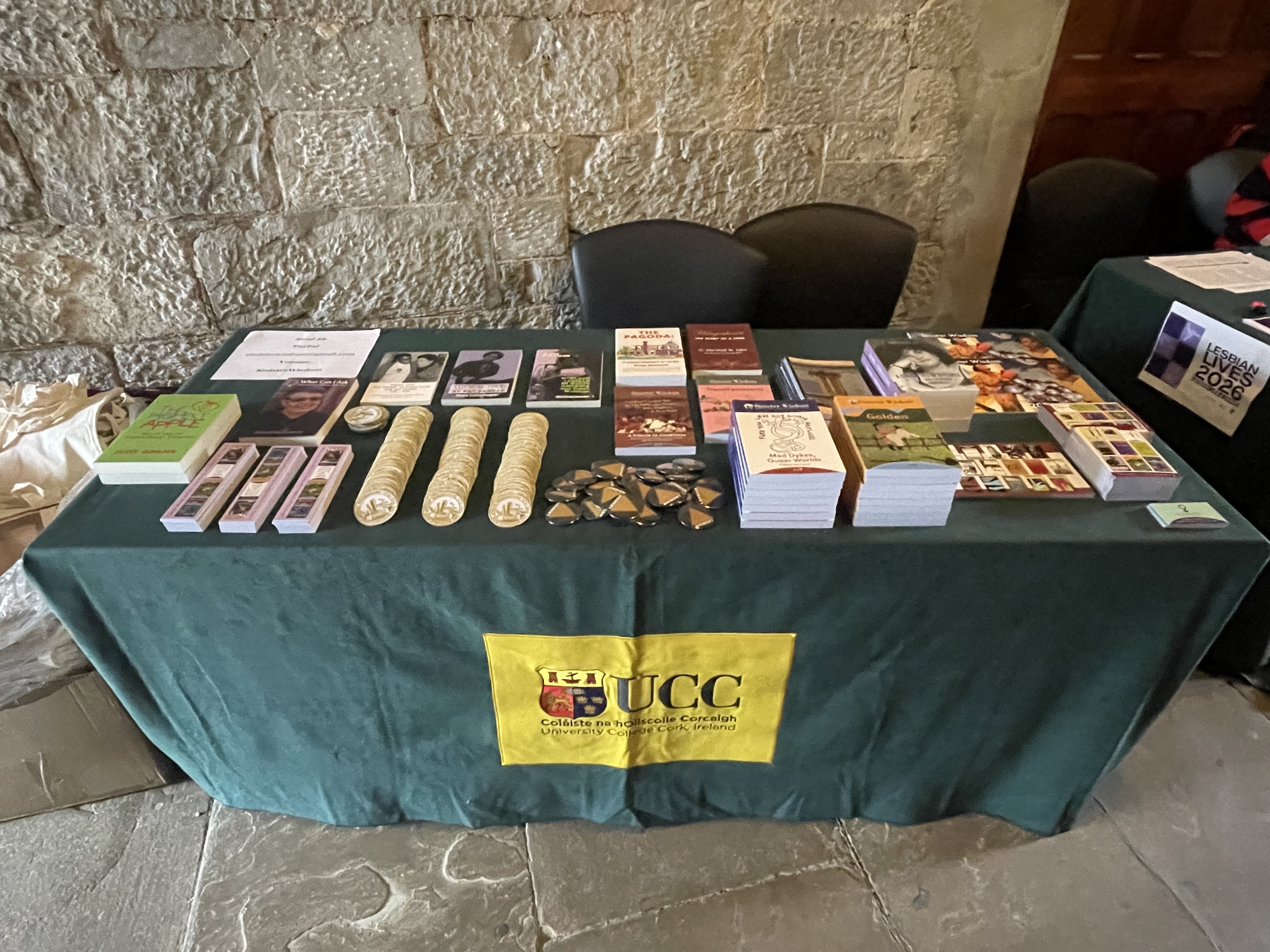
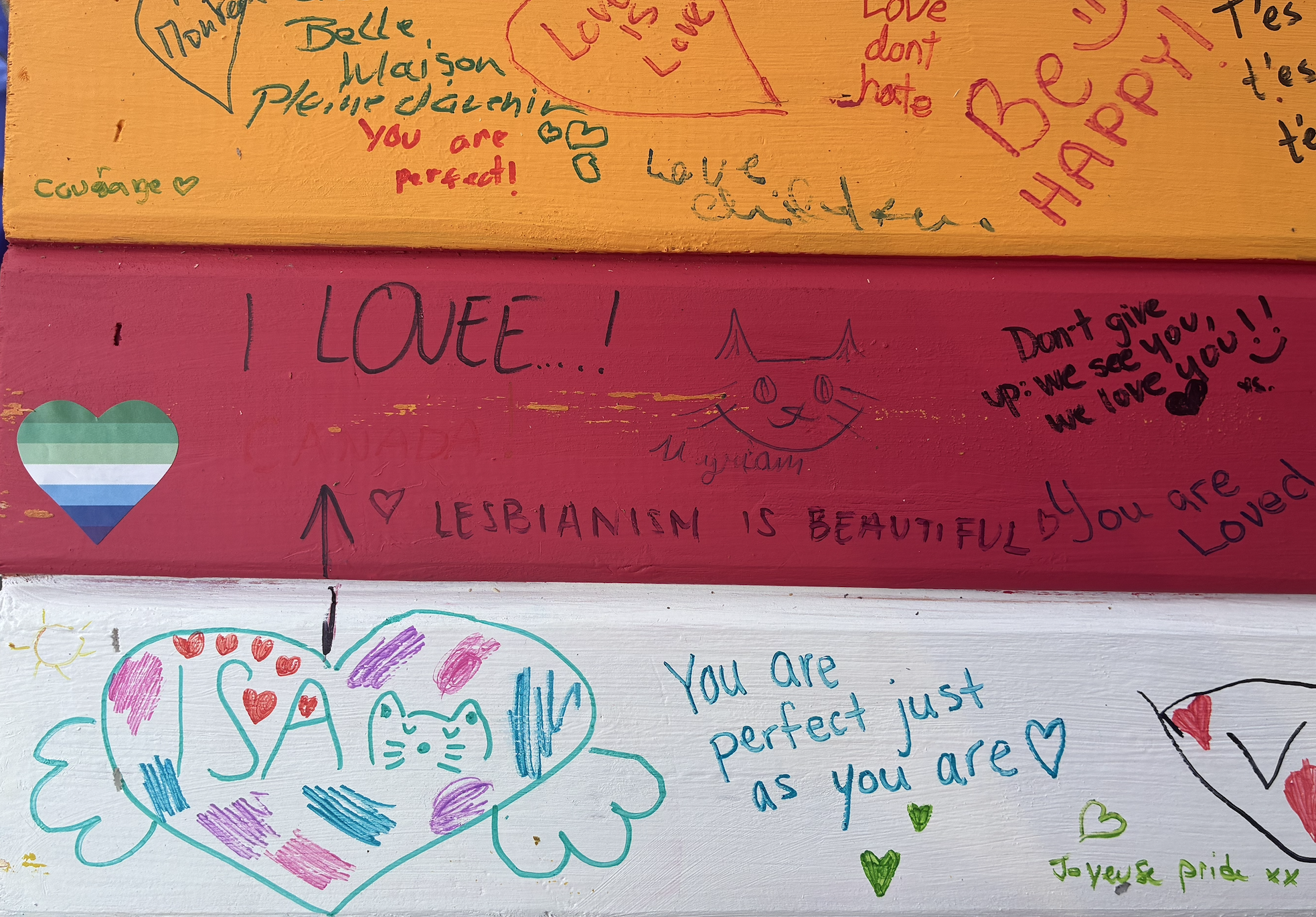
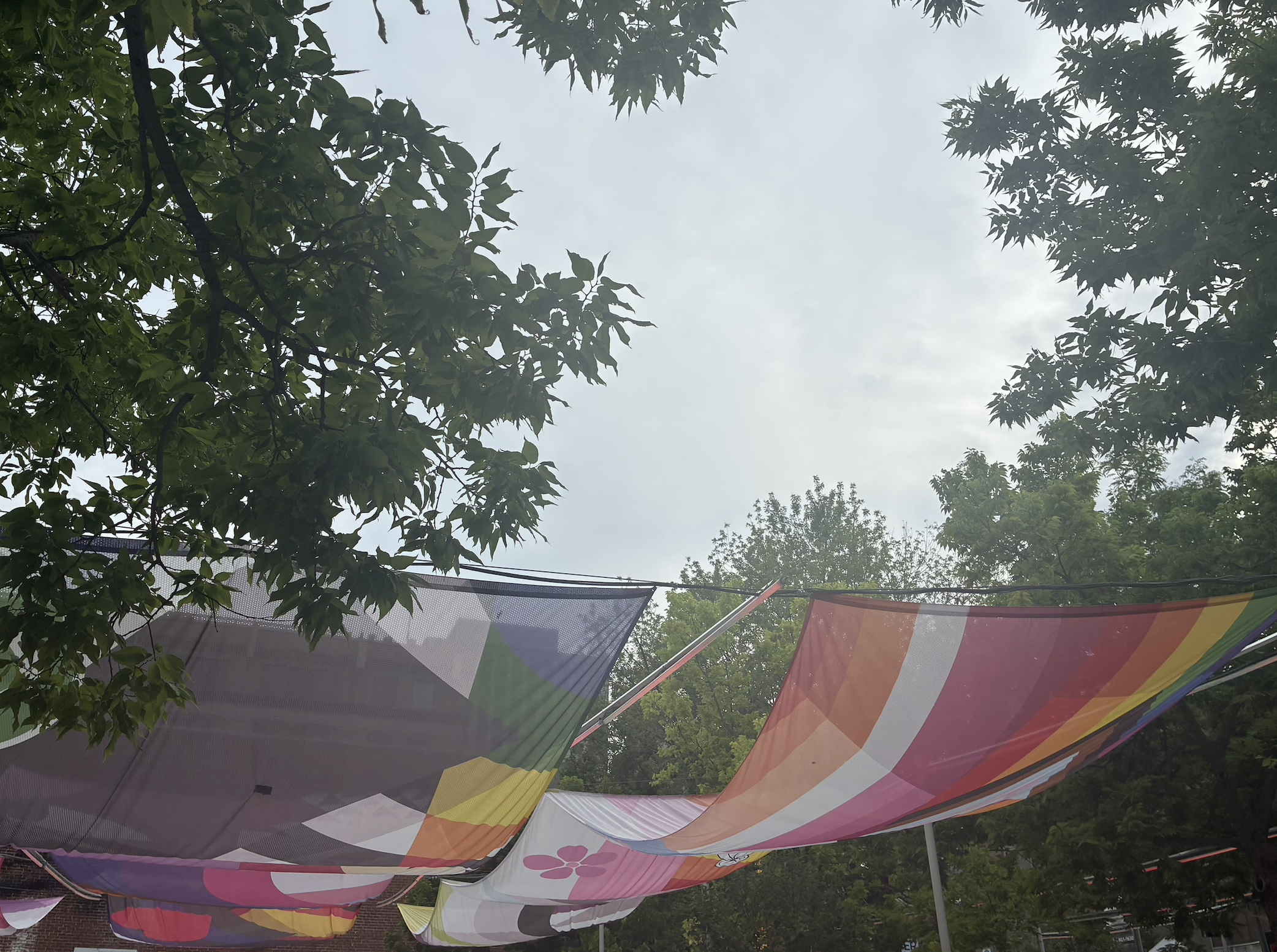
Pride flags displayed at Place du village in the Montreal Gay Village. Montreal Pride’s book fair spans an entire block. There are deselected magazines from the Archives lesbiennes du Québec, poetry and short stories from L’arc-en-ciel littéraire, secondhand books ($9 each!) from Mes Pants de Queer, and so much more. We’re terrified: we can’t carry all these books with us!

The Gay Village is also home to L’Eugélionne (like "le gay lion"), a feminist bookstore and co-op that takes its name from Bersianik’s novel. Having learned about L’Eugélionne through the Sinister Wisdom independent bookstore stockists list, our visit begins with full trust in their curation ;)

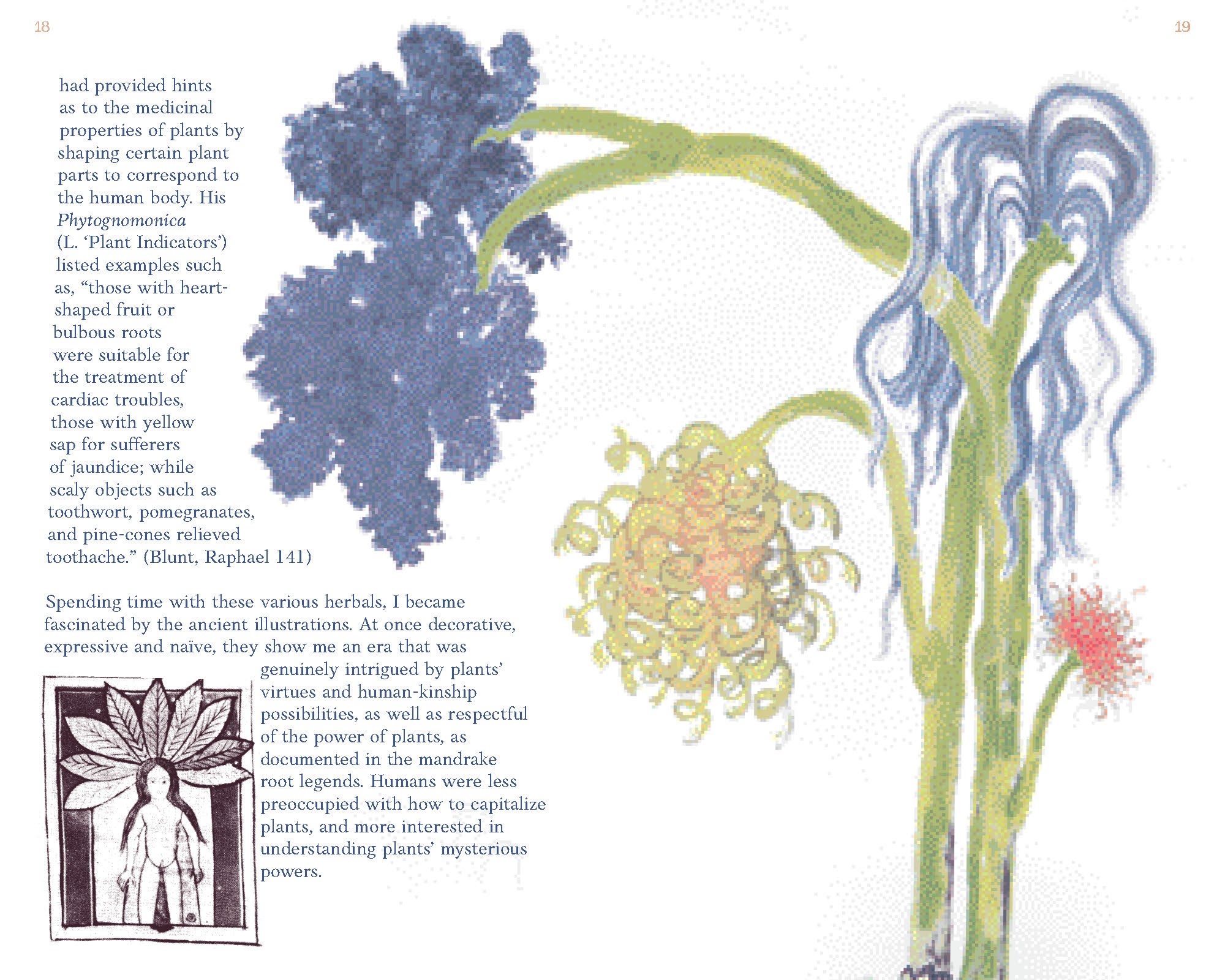
Finn’s picks are the Pulitzer Prize-winning novel Middlesex by Jeffrey Eugenides (Picador, 2002) and Exuberant Botanica by Aaron McIntosh (2023), a luminously illustrated zine about the connections humans share with plants.

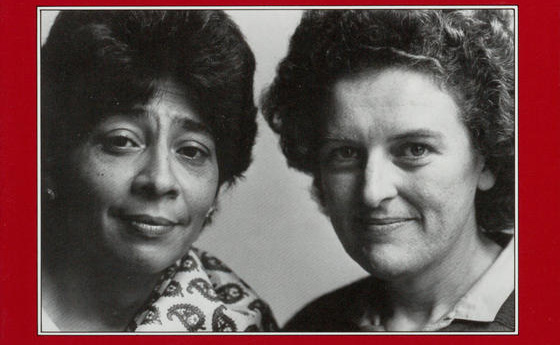
My picks are the out-of-print collaborative chapbook Flesh and Paper by Suniti Namjoshi and Gillian Hanscombe (Ragweed Press, 1986) and the inaugural issue of lstw (lez spread the word), a bilingual magazine on lesbian culture in Canada.


Woo-woo interlude

At the first hostel we visit, I’m brushing my teeth when the world sends me a Canadian dime. The coin is tempting me from the sill. Should I take it? Is this a nudge? Perhaps it could be just the token I need tomorrow. If it’s a sign, do I need to pick it up to accept, like a collector’s call? That’s not how debt works… I leave it for the next person.

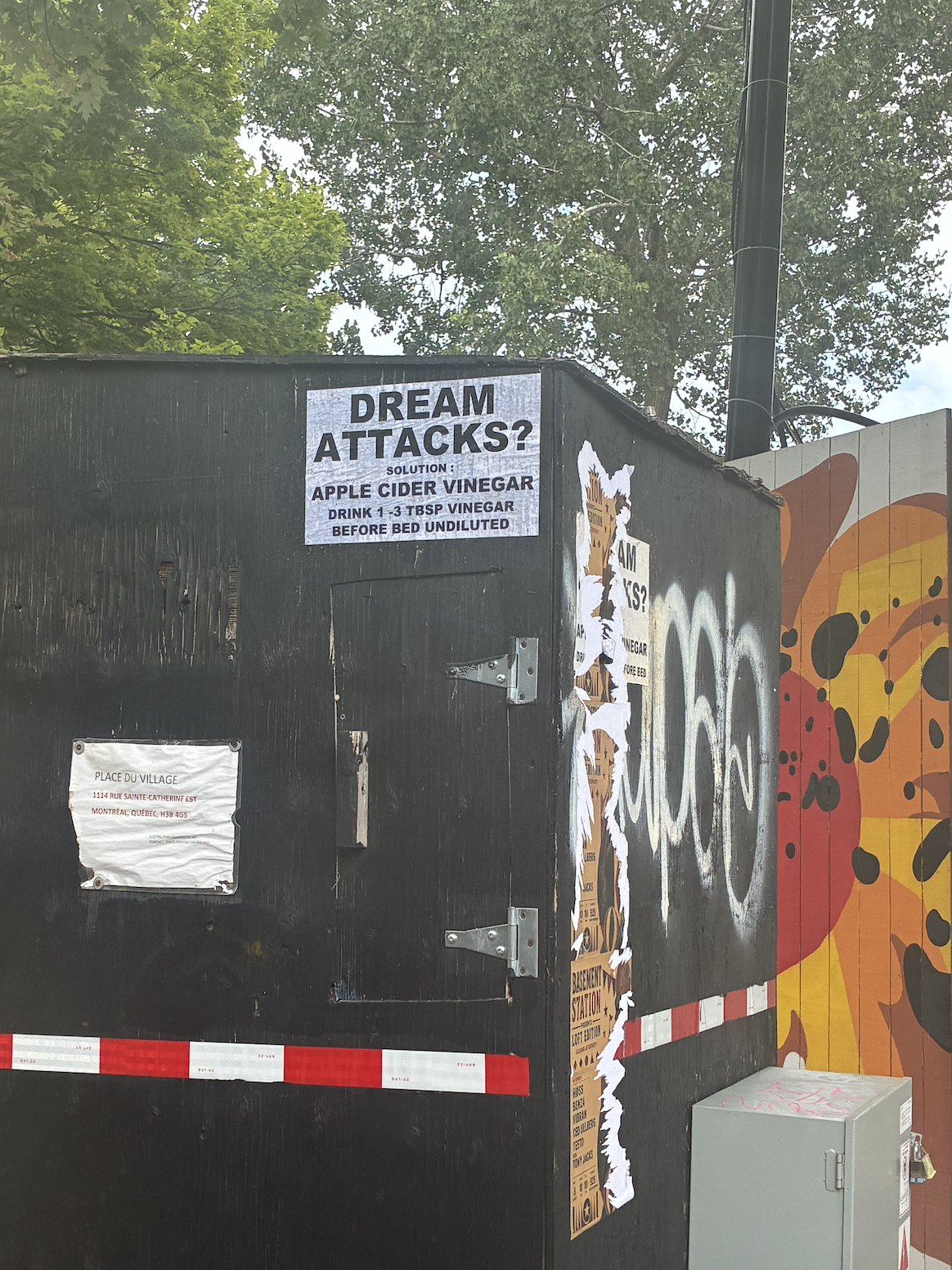
My dreams are crazy when I’m sharing a room. When I tell them it was like Twin Peaks that night, Finn theorizes a woman at the hostel was psychically interfering with me. Someone put up posters in the Gay Village with a solution for “dream attacks” that I’ll have to try.


Support Mes Pants de Queer, L'Eugélionne, L’arc-en-ciel littéraire, and all the other fantastic organizations at Montreal Pride.

Learn more about Exuberant Botanica and other projects at aaronmcintosh.com

Don't recommend Dunkin coffee. Spoiler alert, we preferred the Pigeon Espresso Bar that was attached to Hang Time Pizza.


Stay tuned for Part 2: The Return (& the Club)!

alww


Avery is a mixed-race Black, Japanese, and Spanish disabled lesbian from Connecticut. She is a passionate volunteer for Sinister Wisdom and has been an out member of the LGBTQ+ community since 2015. In 2026, she graduated from Wellesley College with a degree in psychology and will be teaching youth as part of a language and cultural exchange program in France.

Image 1: From Exuberant Botanica by Aaron McIntosh (2023).

Image 2: Suniti Namjoshi and Gillian Hanscombe on the cover of Flesh and Paper (Ragweed Press, 1986).

All other images provided by the author.

Image: 

a late bloomer's guide to chaotic lesbianism

a late bloomer's guide to chaotic lesbianism

By sparrow Gore


An ode to my messy dating life. To baby gays figuring things out. That we look upon ourselves with tremendous grace, kindness, and warmth.


First, you’ll need to start with a series of homoerotic friendships,

join a throuple to a hetero marriage that’s falling apart,

get your sense and leave,

fall for another bisexual woman looking to distract herself, then fall for three more after this one,

learn your god damn lesson (please),

go on a two-year long road trip, devote yourself to storytelling, and have meaningful, momentary connections with strangers all across the south of turtle island

have a few summer flings, dance wildly at clubs, make out in public,

move somewhere new. discover anarchy, and learn words like “abolition”, “food sovereignty”, “land back”. get rageful beyond what you knew your body could hold

move again. This time, stay a while…

block your sneaky link but text them over Venmo once you’re ovulating,

get so embarrassed that you start focusing on yourself again

find a way to stop killing your plants, talk to the soil,

work on your avoidant attachment style until you realize that there was never anything wrong with you to begin with. Until you realize that wounds are the only reaction to being cut.

Until you realize all you ever needed was patience,

and finally, finally, decide for yourself, what love is.


Love is not extractive. It multiplies, like expanding roots of a tree. Love is not extractive. It adds, like precious sunlight peeking through thick clouds on a winter solstice. Love is not extractive.


I heard somewhere that people who are afraid of commitment have nothing to offer a relationship. It was the first thing to ease my heart after I’d become infatuated with someone who wanted me close but not too close. And it was the last fantasy I entertained before I concluded I was worthy of secure, and emotionally safe connections.

Though I regard all bonds as a way of showing us something important about ourselves, there is a particular side of people that only reveals after time, after shared history and longevity. Now that I’ve met this person within myself, I’m enchanted.

I’m completely taken away with who I become, when I feel loved, seen, and valued. I am perceptive, generous, playful. I am trustworthy, protective, and intentional. And I think that’s where the real magic is. Love opens doors. Love clears paths to more love.

So yeah. Follow your heart even when it takes you to chaotic places. The more you listen, the clearer it becomes and eventually you find a place to settle in. And that place is yourself. You become a home to yourself. And you see that you were worth it, you were worth all the wandering.


sparrow Gore (they/them) is reimagining a softer planet. sparrow Gore is a lesbian Sudanese-American farmer, abolitionist and writer. sparrow’s work is informed by Black feminist tradition, and liberationists Audre Lorde, Nikki Giovanni, bell hooks, and Octavia Butler ; who moved forward a sociopolitical movement that challenged the intersecting oppression and tactics of racial capitalism. sparrow seeks to make portals with their language, to take us to the hearts of reality and the limitlessness of Black queer imaginations.


Read more by sparrow Gore
Notes From a Wildly Intense and Sensitive Sapphic #1
Image: 

stay

stay


she’s pussy juice

slick against leather,

mashed against your thigh greedy.

a plant so desperate for sun she strains.


I burrow fingers

inside her.

find a place

to call home.


the curve of smile rising

in lowered eyes.

clench fists in sleep.

grind teeth to sand every night.


ink sprawls

across canvas of her back.

kisses crackling up tattooed spine.

muscles,

thick and coiled

to squeeze you, boa-like.

she’s boy’s briefs underwear

hiding her girl.


chocolate bar binges at 4 a.m.,

head in your lap.

sweet simmering on tongues.


she’s the break

of pool balls spattering

across the table unpredictable.


she’s mapless,

a road trip

you don’t have gas money for.

but you juggle

to ensure you have enough

for the long, enticing haul.


a bra-snapping troublemaker.

she’s back talk

craving

to be put

in her place.

she’s impulse

breathing fire,

molten motorcycle buzz

roaring between your legs.

she’s white teeth sharp.


she is a six-pack drunk easy

on the beach,

on an overcast afternoon

you don’t want to leave,

although you should have

better things to do

then stay.


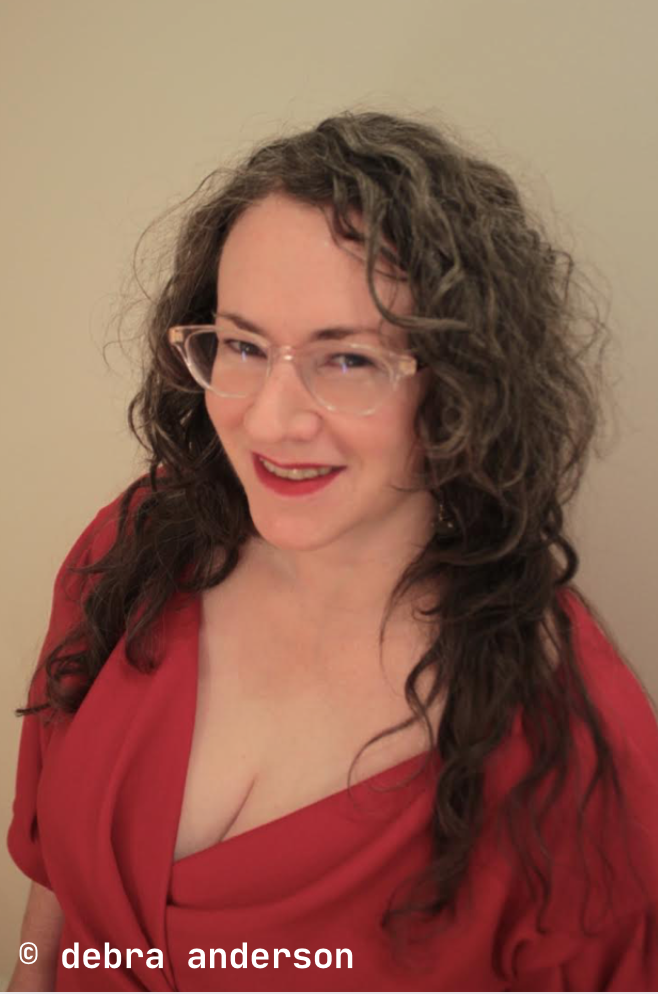
Debra Anderson (she/her) is the recipient of the Writers’ Trust of Canada’s, ‘Dayne Ogilvie Prize for LGBTQ2S+ Emerging Writers.’ Debra holds an Honours B.A. Degree in Creative Writing and Women’s Studies from York University and is based in Tkaranto/Toronto. Her writing has been widely anthologized in such places as Gender Ever After, Persistence: All Ways Butch and Femme, and Brazen Femme: Queering Femininity, among others. Code White (McGilligan Books) is her first novel. Herizons Magazine described Code White as “The work of a writer who takes her issues as seriously as she takes her fun. A book that meets your eye, has a good handshake, and looks killer in a pair of fishnets.” www.debraanderson.ca

This blog series is running in anticipation of Sinister Wisdom issue 146: Butch-Femme Renaissance coming out in October 2027. There was such an incredible outpouring of work, writing and butchfemme brilliance, it couldn't be contained to only the print issue. We'll be running a series of digital-only butchfemme writings leading into the issue's publication, so keep an eye on Sinister Wisdom's blog and social media. Share, enjoy, and feast on this work — and get excited for Butch-Femme Renaissance coming out October 2027.

Image: 

Getting 2 Know Song of Sappho

Getting 2 Know Song of Sappho

By Kayla Michelle Pisano

Song of Sappho is Kayla Michelle’s singer-songwriter debut release featuring three tracks: 'never fall in love again,' 'someone whose lips i’ve kissed,' and 'what about me?'.With both indie-pop and theatrical influence, these autobiographical sapphic anecdotes tell a story of yearning, young love, and finally… moving on.

Sapphic: Relating to attraction between women (and non-binary individuals) or relating to the ancient Greek poet Sappho.


prelude

If you had told Kayla Michelle a couple of years ago that she’d be releasing and performing her own music, she probably would not have believed you. Her songs were written to let off steam, not to be shared. However, with the support of her friends and family, her negative outlook changed. Her music and her stories all deserved to be heard.

My mom once asked me if I wrote music. She had every reason to think so. I had picked up all kinds of instruments, was writing stories, and loved to sing. But I lied and said no. Eventually, I got over my apprehensions.

While I had thought up a lot of different potential titles, Song of Sappho made me feel like I had won the lottery. I can’t really remember when I came up with it—but I drew and edited the cover soon after. The songs were all a little different, but what they all had in common was sapphic love. Sapphic artists made up most of my influences: Chappell Roan, Adrienne Lenker, King Princess, Reneé Rapp, and Billie Eilish. I was also heavily inspired, as many singer-songwriters are, by Taylor Swift. (Not calling her a sapphic artist. Well, that depends on who you ask…shoutout Tumblr).


track 1: never fall in love again

This is the second song I ever wrote. Three years ago, I wrote it, made a terrible demo on my phone, and texted it to my high school best friend, Natallie. Not expecting much, the response I received was “OKAY DAMN.” Followed by some very helpful notes, of course.

But those two words are to thank for the song’s existence today. I was very inspired by country or campfire-type music that tells a story, almost like you would in a Broadway ballad. The lyrics are very straightforward and tell a true story. That being said, my perspective on the situation is much less angsty than it was when I wrote it! But I think it makes for high stakes in a song, right?

Basically, I really liked this girl I did high school theatre with. The first few lines were based on our very first interactions with each other, close to verbatim. These crumbs were what helped me to build the song’s foundation. The library story I mention in the song is true, too—the song in question (“favorite song from ‘Red’”) was “Treacherous". I sort of dedicated it to her in my head and had signed up to sing and play it for a concert we were doing in our school’s library. As you can tell, as much as I liked her, it didn’t work out at all. The funniest part about this song’s muse is that she wasn’t even straight; she just wasn’t into me specifically. Unfortunate, but I got over it.

track 2: someone whose lips i’ve kissed

I wrote this when I should have been paying attention in class, following a horrific situationship breakup that flipped my world upside down. It started with a realization that maybe what an ex is is just how much power we give them. It was an act of reframing the past couple of weeks and reclaiming my power. I coined the titular line, and then I opened my Notes app and wrote the rest. It’s a complicated situation, really, and it's another angsty song (I’m sensing a pattern), but I try to persist gracefully. I’ve come to realize this is one of those things you’ll never truly get closure for. But, ultimately, the song has been what drives and continues to drive my healing. For that, I will always be thankful.

I posted a demo on streaming to test the waters. But the demo version is quite different from the final product. After I was featured on my school radio’s YouTube and had become somewhat “comfortable” with the song, I felt it start to squirm. It wasn’t done. By this point, I was working on the song with my cousin, JJ Hoeffner, who produced the project. We changed some lyrics (also with the help of my best friend, Dakota, over FaceTime in JJ’s home studio), realizing this wasn’t meant to be a slow, sad song. So JJ and I found the true final form of the song to be something much more dynamic. The song starts like the demo until the halfway point. When the drums and guitar kick in, it enters rock territory. This way, the song would encompass the stages of grieving a breakup rather than being stuck in sadness. We were especially inspired by songs like “vampire,” “Snow Angel,” and “Happier Than Ever,” beloved for their crazy switch-ups. I wanted this song to not only be reminiscent and reflective, but also empowering.

track 3: what about me?

Mix another situationship song (though one that ended much happier, in true friendship) with sensuality and interpersonal drama. What do you get? A song with a title that has multiple meanings.

One meaning being “what about me” in the romantic-desire sense. Why not be with me? The other being this: if the object of my affections is deemed an outcast for whatever reason or motivation, maybe people think they are weird, what does that make me? What about me—regarding insecurity.

I had written this song on the piano, specifically, one in a practice room in the music building of my college. But JJ and I both quickly understood that this song was meant to be heard a different way. Our best attempt at describing it is Taylor Swift's “1989” era, particularly “Wildest Dreams” and the vault tracks. I feel like that era and its overall vibe best capture the free-fall feeling of falling in love when you know you shouldn’t, and wanting to run away from it all hand-in-hand with someone you hardly know. Away from judgment, consequence, and all of that, which is such a universally queer experience in itself.


Song of Sappho is out now on all streaming platforms! If you enjoyed this explanation, I think you should check it out. But regardless, thank you for your time. If you take anything away from this, it's this: If you ever wanted to write a song, but thought it was “cringe” or something along those lines, this is your sign to finally give it a try. See what happens. You have nothing to lose and everything to gain. :)

And finally, thank you to my cousin and friend, JJ Hoeffner, for helping me realize my vision and producing the project. I’m so incredibly lucky to have him. I am also very lucky that we ever got anything done, because we spent so much time laughing and goofing off!
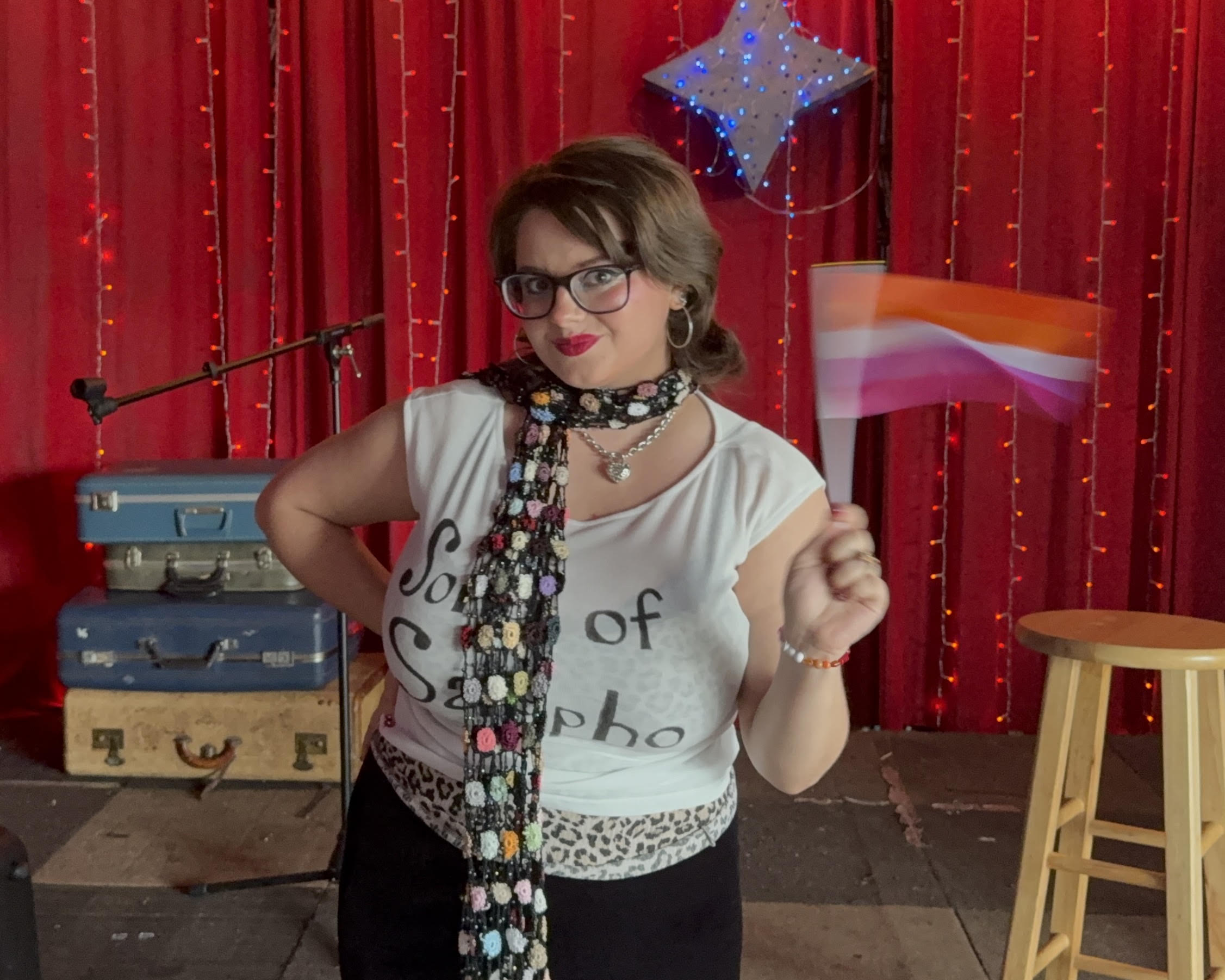


Kayla Michelle (she/her) is a queer, neurodivergent creative based in Central Florida. She’s a recently graduated theatre major and English minor from Rollins College. You can find her writing published in Flag Magazine, Fish Girl Collective, Little Old Lady Comedy, and more. Check out Song of Sappho wherever you listen to music. @kmpwriter on Instagram

Image: 

Bonnie Netherton Obituary

Bonnie Netherton Obituary

Compiled by Star Woodward

Gail Frances Richter was born on July 17, 1945 in New York City, though when her Nana saw her and said “such a Bonnie baby,” the name stuck! Bonnie Netherton died on the evening of June 9, 2026. Beside her were Trey Anderson her son Cass with his wife and two kids, Eve and Eli.

Bonnie lived many places, including—but not limited to—Hawaii, Virginia Beach, Indiana, San Francisco, Atlanta, St. Simon Island, and the Florida Keys, as well as Gainesville, Florida, where she made her transition into pure positive energy.

Bonnie Richter became Bonnie Netherton when she married Lloyd, and together they had two kids, Cass and Andrew.

Coming out in the 1970s in Atlanta, Georgia, she lost all custody and had very limited visitation rights with her sons. But she gained a lesbian feminist community. She was involved with Alpha House, and red Dyke Theatre, as well as playing on a softball team!

She eventually moved to Saint Simons Island, Georgia, with Star Woodward, and from there down to Key West and Sugarloaf Key, where she befriended a dying Barbara Deming and the Sugarloaf lesbian community surrounding her.

Bonnie loved adventure, and didn’t mind getting her hands dirty! Her next chapter was buying an old school bus and outfitting it with antiques she inherited from her parents and grandparents who had acquired many things from around the world as Merchant Marines. She traveled around Mexico and Guatemala both alone and with a friend Skyler. Although they occasionally were stopped by federales, nothing bad ever happened to her.

After a few years, she drove her bus back to Gainesville, Florida, and hooked into that Dyke community until she and Trey Anderson, along with Trey’s daughter, Aimee, moved to Fort Lauderdale. There, they transformed an old Florida Hotel into a lesbian paradise called the Mermaid Inn.

She eventually made her way back to Gainesville, where she got her Realtor license and helped find homes for many lesbians who probably would not have been able to buy a house otherwise.

Eventually she headed back to the Florida Keys, via her newly purchased and renovated, beloved Chinese junk. The antiques moved from her bus to her beautiful house, to the boat! After a living on her boat for seven years, she lost it in a hurricane, and moved the Sugarloaf Women’s Village, where she had been an active member since the early 1980s.

There she did what she always did—make it more beautiful inside and out. Bonnie could take almost any space in any condition and turn it into something beautiful. Rooms, houses, hotels, cottages, bus, boat, and definitely yards and gardens! She had an abiding love for gardening.
She made Sugarloaf Womyn’s Village into what it is today—a safe, beautiful, cozy place for gathering, vacationing, and pitching in to make the space many lesbians come to over and over, feel their own. Bonnie made so many women feel at home.

The last three years of her life, she lived in a little trailer on Trey’s land just outside of Gainesville. There, she was embraced by old friends who eventually took care of her in her last months. Beckie, Madeline, Lynda Lou, Orit, Marilyn. And Aimee and Eileen and Quay. Trey was “her person,” there for her every day.

Bonnie was a passionate lesbian feminist most of her life, as well as a femme with power tools. Just as she loved to adventure in the world, she was an avid reader her whole life. She also had a strong spirituality, enjoying books by Jane Roberts/Seth and listening to the teachings of Abraham Hicks.
She certainly did not believe life ended when the body died, so look around you and you may find yourself seeing or hearing from her. She will be missed by many.

Remembering Bonnie Netherton

Remembering Bonnie Netherton

A Personal Remembrance of Bonnie Netherton

By Star Woodward

Last week, one of my dearest oldest friends made her transition into non-physical. She is now Pure Positive Energy. That is a belief that we shared, and I just have to know it’s true.

Gail Frances Richter was born on July 17, 1945 in New York City; though when her Nana saw her and said “such a Bonnie baby,” the name stuck! Bonnie Netherton died on the evening of June 9, 2026. Beside her were Trey Anderson, and her son Cass with his wife and two kids, Eve and Eli.

Bonnie surely had joie de vivre. She made the most out of anything in front of her, and she always made everything she touched more beautiful. She touched a lot of people in her life with her generosity and joy and welcoming spirit and her magical smile.

Bonnie was a magical being. When she was eight, she and her big sister Mike did some magic in order to create a little sister. Turns out, Mike knew a little bit more than Bonnie about biology, because part of the magic included poking a hole in a rubber in the bedside table of their parents. Baby sister Cricket was born nine months later.

When Bonnie and I lived in St. Simons Island, Georgia, there was a Chinese junk out of the marina that we always had to go look at. We took all our guests there and took pictures of it. And then one day, it just sunk. Bonnie really, really wanted that boat. It took about fifteen years, but she did eventually get herself a Chinese junk!

Long before she got that boat, after we had moved down to the Florida Keys, she got herself a full-size school bus. She outfitted it herself with antiques she had inherited from her merchant mariner father and grandfather. The most prized ones ended up in the boat.

She was in Red Dyke Theatre in Atlanta, and she was also very involved with the lesbian variety show in Gainesville. One of her favorite roles that she performed both places was “Bonnie Blameless,” selling emotional insurance to lesbian couples who clearly had no business being together!

She was also an avid reader. I remember when we were together in the early days, how funny it would be to find her with a stack of books on the bed, reading one, two others open-faces beside her. She wished she could put them under her pillow or under her arm and just absorb more information. At the time it was Mary Daly and Jane Roberts.

Bonnie loved women and loved lesbian community! I think her most proud thing was what she was able to create at Sugarloaf. I don’t know if it was easy for her, but Bonnie could take almost any space and make it not just more beautiful, but very beautiful. She and Trey did it at the mermaid Inn in Fort Lauderdale, and she did it with whoever was around to help her at Sugarloaf Womyns’s Village. And while creating and renovating, she was also making so many women feel welcome there. I’ve heard that from so many. No one felt like they were visiting Sugarloaf, they felt like they were coming home and Bonnie was there for them.

She loved playing cards and was known as the queen of nasty canasty, what we called canasta. She was a beautiful high femme, with a power tool. She was elegant, but sometimes loud and bossy. She was opinionated, but she would stop and listen to what you had to say. She was tender to the bone. She never got to have much of a relationship with her sons, but Aimee was like a daughter to her, even though she didn’t reach out much. Like a lot of us she was full of contradictions, but her sincere smile will stay with us.

Bonnie always loved cats, and though I don’t think she had one when she lived on the school bus, she did have one on her boat. One of the things she missed the most when she was in assisted-living towards the end of her life was cat energy. But she still had her sense of humor! She commented on the nice ass of more of an aid, showing her humor as well as her still good appreciation of women.

She always believed that we are more than our physical bodies. She was very into Seth and Abraham. She was a powerful deliberate creator as well as lesbian feminism. It may seem an odd combination, but it worked in her!

The last three years of her life, she lived in a little trailer on Trey’s land just outside of Gainesville. There, she was embraced by old friends who eventually took care of her in her last months. Beckie, Madeline, Lynda Lou, Orit, Marilyn. And Aimee and Eileen and Quay. Trey was “her person,” there for her every day.

This is very personal and doesn’t include all the people that Bonnie loved and that loved her. There are more stories! Hopefully we will all keep telling them to each other. Bonnie had many friends and lovers over the years. So many adventures that I don’t even know about.

So, if you knew her at all, she is there with you right now. She is whispering in your ear that you are good enough just the way you are. She is telling you that she sees your beauty. If you are sad, she is saying “There, there, everything will be OK.” She is probably also saying something silly!

When you read this, try to remember your happiest moments of her, and that’s how she would like to be remembered, I’m so sure.

My Beautiful Bonnie By the Sea.


Bonnie Netherton Obituary

Dyke Bar* History: Butch-Femme in NYC’s Greenwich Village, 1940s-1960s

Dyke Bar* History: Butch-Femme in NYC’s Greenwich Village, 1940s-1960s

Jack Jen Gieseking with Michaela Hayes and Mel Whitesell

To complement the launch of the Our Dyke Histories podcast, hosted by Jack Gieseking and co-produced in collaboration with Sinister Wisdom, we’re sharing a reading guide for the decades. For the first season, Our Dyke Histories is spotlighting dyke bars*: lesbian bars, queer parties,  and trans hangouts; the structures that made them necessary, the lives they made possible, and the worlds we built from them. This is the second part in a series, with the first part covering the 1920s-1930s!!

Alix Genter. “Appearances Can Be Deceiving: Butch-Femme Fashion and Queer Legibility in New York City, 1945–1969.” Feminist Studies(42)3, 2016, 604–31.

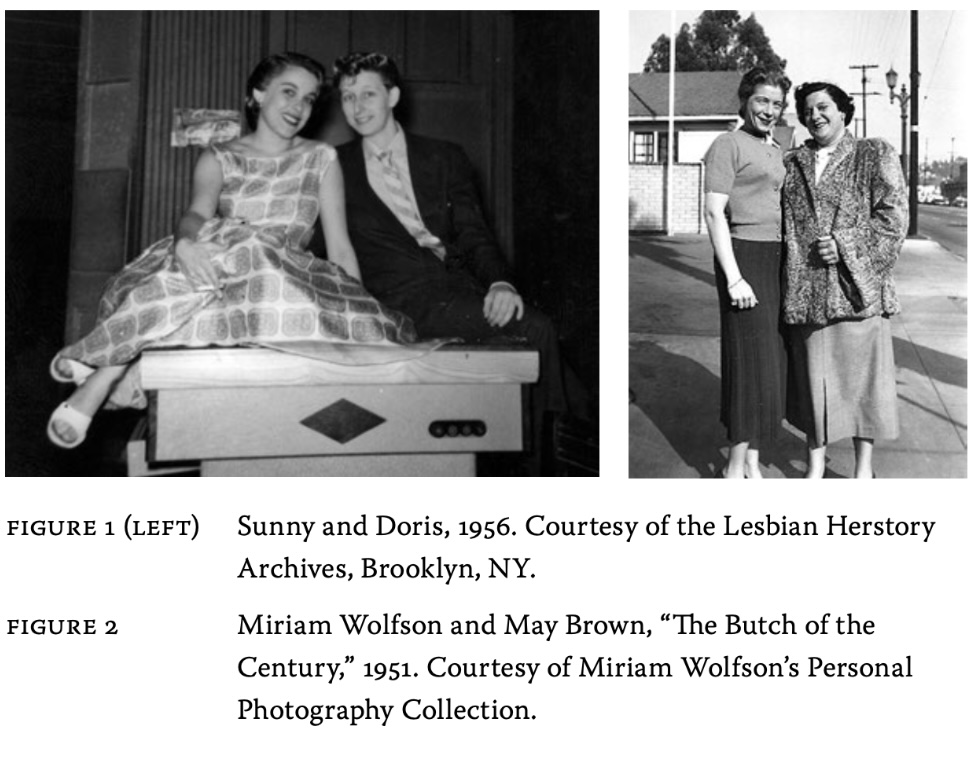
Is a butch always a butch, a fem always a fem? Who knows! But it’s sure as heck clear that what we thought was a butch or a femme in the 1950s was not always the same thing. We’re guessing you need more of an example like we did, so meet Sunny and Doris, and Miriam and May. Cutie patooties! And everyone but Sunny identified as butch.

Our collective minds were blown wide by this. And delighted! Look how wide and rangey and possible gender was and still is!

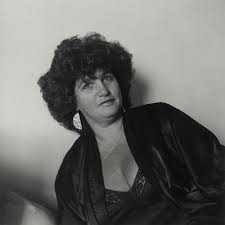
Alix Genter spent years collecting oral histories from New York City dykes in the post-WWII period, including Lesbian Herstory Archives originator and co-founder Joan Nestle (wow and swoon forever–see her photo on the left) and a swarm of other well-known dykes of the period. In her article, she digs into butch self-making to show us that butches were never (so boring as to be) imitating cis-het men’s masculinity, rather butches circumvented or even adapted feminine dress styles to convey their gender nonconformity. Genter shows how butch presentations varied between straight and queer spaces, with lesbian bars and other queer nightlife locales being essential sites of gender construction, expression, and butch mentoring.

Across race, class, and ranges of masculine signification, Genter encapsulates the flexibility of butch identity at a time when gender variance was a dangerous expression of visible queerness. And, wow, were our hearts and loins inspired by her work. We also deeply recommend her entire dissertation, Risking Everything for That Touch, available here for free and with many more delicious images and tales of mid-century lezbiqueertrans lives. Desire and danger to the max.


Images:

Alix Genter, “Appearances Can Be Deceiving- Butch-Femme Fashion and Queer Legibility in New York City, 1945–1969,” Feminist Studies, Vol. 42, No. 3 (2016), pgs. 604-631

Joan Nestle https://lastbohemians.blogspot.com/2020/10/joan-nestle-sixty-years-of-di...

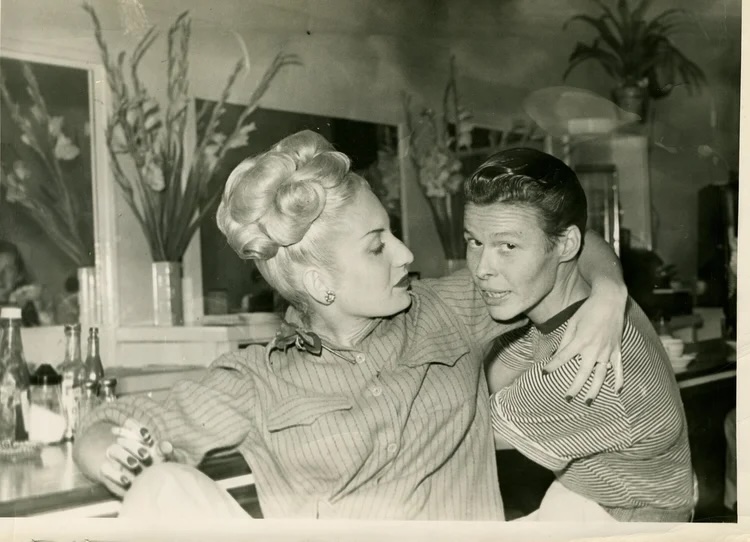
Butch/Femme Couple at Mona's, Circa 1950s https://www.glbthistory.org/wide-open-town-records

Image: 

Dyke Bar* History: Leslie Feinberg in Buffalo, 1960s

Dyke Bar* History: Leslie Feinberg in Buffalo, 1960s

Jack Jen Gieseking with Michaela Hayes and Mel Whitesell

To complement the launch of the Our Dyke Histories podcast, hosted by Jack Gieseking and co-produced in collaboration with Sinister Wisdom, we’re sharing a reading guide for the decades. For the first season, Our Dyke Histories is spotlighting dyke bars*: lesbian bars, queer parties,  and trans hangouts; the structures that made them necessary, the lives they made possible, and the worlds we built from them. This is the second part in a series, with the first part covering the 1920s-1930s!!

Feinberg, Leslie. Stone Butch Blues. Ithaca: Firebrand Books, 1993.

Being pointed to Leslie Feinberg’s Stone Butch Blues as a young and/or recently out lez, bi, queer, trans, or sapphic person is as much a dyke trope as running into an ex-flame at the bar or fighting the urge to U-Haul after the first date (or second or third…).

And you know why it’s a trope? Because it’s fucking amazing and, yes, we are telling you to go read this book.

Feinberg’s perfectly devastating and epically beautiful novel follows Jess Goldberg, a working-class, stone butch lesbian-cum-trans man, through childhood into adulthood in New York. Throughout the book, the dyke bar serves as an important backdrop in Jess’s life. In Buffalo, it’s a place where Jess navigates growing up, finding queer community, gender exploration, heartbreak, and romance while facing violence at the hands of the state and police. In adulthood, New York City dyke bars become a place where Jess can reconnect with old friends and–wait for it, my trans friends and countryqueers–apologize to a butch friend for not respecting her butch4butch relationship in the past. Feinberg/Jess are classy shes/hes/zes, I tell you. Though fictional, Feinberg’s intimate book explores classism, racism, anti-semtisim, sexual violence, homophobia, and transphobia that were a reality for butches, trans mascs, and gender non-conforming dykes in the late 20th century–and still today.

We admit that Stone Butch Blues is occasionally a difficult read due to the graphic nature of the many different forms of violence Jess endures. Make sure you have some tissues handy. Ultimately though, this book is a classic we keep handing down–like Audre Lorde’s Zami and editor Cherríe Moraga and Gloria E. Anzaldúa’s This Bridge Called My Back: Writings by Radical Women of Color–because it carries both historical and present eternal lives. Whenever you’re ready to read it, please remember to tell the next dyke you meet to read it too.


Images:
Stone Butch Blues Art Board Print Designed and sold by SODirtt
www.redbubble.com/i/art-board-print/Stone-Butch-Blues-by-SODirtt/1508425...

Feinberg selfie from The Guardian
https://www.theguardian.com/world/2014/nov/17/leslie-feinberg-author-tra...

Image: 

Dyke Bar* History: Audre Lorde in NYC’s Greenwich Village, 1950s-1960s

Dyke Bar* History: Audre Lorde in NYC’s Greenwich Village, 1950s-1960s

Jack Jen Gieseking with Michaela Hayes and Mel Whitesell

To complement the launch of the Our Dyke Histories podcast, hosted by Jack Gieseking and co-produced in collaboration with Sinister Wisdom, we’re sharing a reading guide for the decades. For the first season, Our Dyke Histories is spotlighting dyke bars*: lesbian bars, queer parties,  and trans hangouts; the structures that made them necessary, the lives they made possible, and the worlds we built from them. This is the second part in a series, with the first part covering the 1920s-1930s!!

Zami: A New Spelling of My Name - A Biomythography. New York: The Crossing Press.

It’s safe to say that all dyke roads can and should lead back to the queen of wisdom, insight, calling in, and brilliance: Audre Lorde. Best known for her leadership, activism, poetry, and essays–including “The Master’s Tools Will Never Dismantle to Master’s House,” Black lesbian and feminist Lorde is also one of the key sources for personal stories of 1950s lesbian bars and queer parties. She was a long, steady customer at the Bagatelle or “the Bag” in Greenwich Village, New York City, one of the many mafia-owned and -run working-class, butch-femme bars that inspired mid-century queer pulp alongside our current lez bar imaginaries. Through her positionality, experiences, and theorizations in her mythoautobiography–a term Lorde invented for her semi-fictionalized autobiography or what we now often call creative nonfiction–she shares the struggles and realizations that still shape queer, feminist, BIPOC, and Black lives. These include severe ups and downs in bar life, and all of which led her to her brilliant ideas she left behind for us to grow from and in.

First, let’s be up about the worst of it as Lorde was. Most of the bar patrons were white butch-femme, and working-class, and a white aesthetic, culture, and attitude dominated the space. The racial segregation of lesbian bars, unlike other spaces, was not discussed between white and Black or even among Black lesbians, but was clearly visible. Lorde wrote:

The Black gay-girls in the Village gay bars of the fifties knew each other's names, but we seldom looked into each other's Black eyes, lest we see our own aloneness and our own blunted power mirrored in the pursuit of darkness. Some of us died inside the gaps between the mirrors and those turned-away eyes. … Being women together was not enough. We were different. Being gay-girls together was not enough. We were different. Being Black together was not enough. We were different. Being Black women together was not enough. We were different. Being Black dykes together was not enough. We were different.

The ache is profound. It was the structures of oppression within and inside the bar that perpetrated this hurt. Bartenders, owners, staff, and some patrons openly discriminated against BIPOC, even as they knew that they had so few spaces to share as lesbians.

But the positives of lesbian bars kept bringing Lorde back. She writes, “What we both needed was the atmosphere of other lesbians, and in 1954, gay bars were the only meeting places we knew.” While antiracism was a nascent concept at best in the 1950s U.S., it’s fledging moments are sometimes found in or as a result of dyke bars* as queer sexualities forced groups of people together across race and class lines who would otherwise never had the chance to meet together. As Lorde puts it so beautifully: “We met women with whom we would've had no other contact had we not all been gay.” She later adds, “Lesbians were probably the only Black and white women in New York City in the fifties who were making any real attempt to communicate with each other; we learned lessons from each other, the values of which were not lessened by what we did not learn.” Wow.

We will not be revealing the end, clearly, because you must read this book! (Truly, we devoured it for the first time or tenth time in a few days.) But in the end, we can reveal, Lorde lands in theorizing how we can and must connect across difference:

It was a while before we came to realize that our place was the very house of difference rather than the security of one particular difference. (And often, we were cowards in our learning.) It was years before we learned to use the strength that daily surviving can bring, years before we learned fear does not have to incapacitate, and that we could appreciate each other on terms not necessarily our own.

It’s amazing how much dyke bars* informed Lorde’s life–and ours still!--and these generous, insightful words. If you need more Lorde, she wrote oodles or you can the recent and fabulous biography of Lorde from Alexis Pauline Gumbs, Survival Is a Promise: The Eternal Life of Audre Lorde (2025). It’s what we’re reading to feed our holidays with delight.

Image: 

Pages

Subscribe to RSS - Avery's blog

"Empowerment comes from ideas."

Gloria Anzaldúa

“And the metaphorical lenses we choose are crucial, having the power to magnify, create better focus, and correct our vision.”
― Charlene Carruthers

"Your silence will not protect you."

Audre Lorde

“It’s revolutionary to connect with love”
— Tourmaline

"Gender is the poetry each of us makes out of the language we are taught."

― Leslie Feinberg

“The problem with the use of language of Revolution without praxis is that it promises to change everything while keeping everything the same. “
— Leila Raven